At its best, Botox does not erase your personality. It quiets the lines that crowd your expression, then steps out of the way so you can still laugh, frown, squint, and look like yourself. Patients often come in asking for “just a touch,” especially around smile lines and the delicate frame around the eyes. The goal is not a frozen forehead, but a rested face that reads as healthy and engaged.
I have treated thousands of faces over the years, and the happiest patients share two things: realistic expectations and a good match with an injector who respects facial movement. The technique matters more than the vial on the tray. Done well, a conservative plan leaves you with softer dynamic wrinkles, smoother photographs, and fewer makeup creases, without friends asking what you did.
What Botox actually does
Botox Cosmetic is a purified neurotoxin that temporarily relaxes targeted muscles. Think of it less as a filler and more as a dimmer switch. When a muscle relaxes, the skin stops folding as aggressively, which reduces the appearance of dynamic lines. If those lines have been etched for years, a series of treatments can help the skin remodel and soften over time, but Botox will not plump or “fill in” a groove. That is why conversations about botox versus fillers come up often. Botox decreases motion lines, fillers replace volume. For many faces, both have a role, and sometimes a tiny tension line needs less muscle activity plus a hint of hyaluronic acid to look complete.
The most common areas include Botox for forehead lines, Botox for frown lines between the brows, and Botox for crow’s feet. Smiling creates fine lines that fan from the outer eye, often with a small “bunny line” on the side of the nose. The right pattern of botox injections lets those expressions continue, just without as many creases.
Smile lines, laughter, and where toxin can help
The phrase “smile lines” gets used in two ways. Dermatologists usually mean the lines at the outer corners of the eyes, also called crow’s feet. Patients sometimes mean the creases bracketing the mouth, the nasolabial folds, which are not treated with Botox in most cases because they are driven by volume loss and tethering, not overactive muscle. For those, fillers or energy-based tightening can help. Botox for smile lines around the eyes works because the orbicularis oculi muscle squeezes during a smile, folding the skin repeatedly across decades.
Here is a common real-world scenario. A 38-year-old runner notices that sunglasses are not hiding the radiating lines at the temple. She does not want anyone to think she had “work done.” I place 6 to 8 units per side in a three-point pattern, staying lateral enough to avoid droop and low enough to spare cheek movement. Two weeks later, she can smile broadly without the fine paper-like crinkling. Her selfies look sharper, and she tells me her concealer no longer creases by noon. That is natural looking botox in practice.
Baby Botox and the art of restraint
The trend toward baby botox, or micro dosing, reflects what many of us have done for years: start low, assess, and layer if needed. Rather than chasing complete immobility, baby botox forehead plans use fewer units across more points to reduce peaks and furrows while preserving lift. The same philosophy applies to crow’s feet and bunny lines. The dose is often half to two thirds of a traditional plan. It is especially helpful for first time botox patients or those sensitive to a “heavy” feeling.
Preventative botox gets a lot of attention on social media. Can starting early delay lines? Yes, in the sense that repetitive movements etch wrinkles, and less motion means fewer creases. But starting at 22 is not a requirement. The best age to start botox depends on genetics, sun exposure, skin quality, and how expressive you are. I have patients who benefit at 27 and others who wait until 40. A personalized botox plan beats a blanket rule.
Forehead, frown, and the value of balance
Forehead lines and frown lines are a duet. Treating one without respecting the other can lead to unwanted shapes. If you quiet the frown muscles between the brows with botox for frown lines but leave the forehead untouched, the brows may lift, sometimes nicely, sometimes too high. If you heavily treat the forehead without addressing a strong frown, the central brow can push down, creating a heavy, tired look. A skilled injector balances these forces, sometimes using a light forehead dose with a fuller glabellar treatment to create a soft, subtle eyebrow lift botox effect.
Unit counts vary by anatomy. A petite forehead might respond to 6 to 12 units. A broader, stronger forehead can require 14 to 20. How many units of botox for forehead depends on muscle strength, brow position, and desired movement. For the frown complex, a typical range is 15 to 25 units. For crow’s feet, 6 to 12 units per side is common. These are starting points, not promises. If you raise your brows constantly to open your eyes, we need to be conservative to avoid brow heaviness. If your job involves animated speaking on camera, we might favor more movement at rest with a touch-up two weeks later.
Around the mouth and smiles worth keeping
Botox can influence the smile gently in several ways. A lip flip botox treatment places tiny units at the border of the upper lip so it rolls outward slightly, showing more pink without adding volume. Gummy smile botox targets the elevator muscles that pull the upper lip high, dropping the smile line just enough to reduce gum display. Both require precision and conservative dosing, especially if you sing, play wind instruments, or have dental work pending.
Along the chin, botox for chin dimpling relaxes the mentalis muscle, smoothing that pebbled “orange peel” texture. Jawline botox, or masseter botox, slims the lower face by reducing bulk in the chewing muscles. It can also reduce clenching, and in some patients qualifies as tmj botox treatment for teeth grinding and jaw pain. The aesthetic and therapeutic worlds overlap, and in many clinics, medical botox or therapeutic botox billing is separate from cosmetic care. If you have migraines botox treatment or hyperhidrosis botox treatment for botox underarm sweating, let your injector know so dosing plans do not conflict.
What natural looks like, and how to get it
Natural looking botox reads as smoother skin with preserved micro-expressions. Eyebrows still lift slightly. The outer eye still crinkles a touch, but the skin no longer pleats deeply. The center of the forehead is calm, yet you can convey surprise. If someone can point to a photograph and say, “your brows look stunned,” the dosing or placement missed the mark.
Here is what helps ensure subtle botox results:
- Choose an experienced injector who studies your expressions at rest and in motion, then marks injection sites with that map in mind. Favor conservative initial dosing with a planned botox touch up at 10 to 14 days if needed. Respect anatomy around the eyebrows, eyelids, and mouth, where small errors show quickly. Avoid stacking treatments like filler and deep energy devices on the same day in the same area without a clear plan. Think in terms of maintenance rather than big swings. Small, consistent treatments age best.
Safety, side effects, and myths worth retiring
Is botox safe? In trained hands, yes. The doses used for cosmetic areas are small, and the medication clears gradually. Common, temporary effects include pinpoint bruising, mild swelling, and a tight or heavy feeling that eases over several days. Headaches occur in a small percentage of first-time patients and usually resolve quickly. Rare side effects include asymmetry, eyelid ptosis, or a smile that feels slightly uneven. These generally fade as the product wears off. A follow-up appointment allows minor adjustments.
Certain conditions, like pregnancy, breastfeeding, active skin infections, and some neuromuscular disorders, are reasons to delay. Disclose all medications and supplements. Blood thinners and high-dose fish oil increase bruising risk. If you have a history of eyelid twitching or blepharospasm, there are medical uses of botulinum toxin that might intersect with your cosmetic plan. A detailed consultation keeps everyone safe.
Two myths linger. First, that Botox makes you puffy or saggy when it wears off. It does not. Your muscles slowly regain their usual function over three to four months. Second, that once you start, you cannot stop. You can pause anytime. The skin will return to its baseline expression over weeks to months. Some patients love the smoother look and continue. Others take breaks for seasons or life events.
Timelines, downtime, and what to expect after your appointment
Most patients want to know how soon does botox work. You can feel a change as early as day two or three, especially in strong areas like the frown muscles, but the full botox results usually appear at day 10 to 14. If you return for before and after photos at two weeks, you will see the difference clearly under consistent lighting.
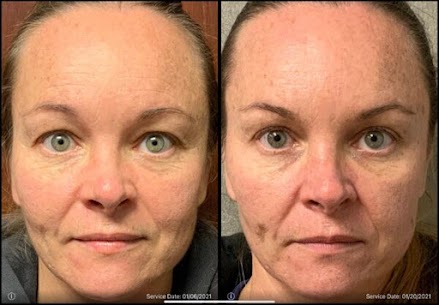
Botox downtime is minimal. Expect tiny red marks where the needle entered, fading within 15 to 30 minutes. Small bruises can occur and are easy to cover with makeup after 4 hours. Botox recovery time is essentially the day of common-sense precautions.
Aftercare matters. Think of it as helping the product settle where it belongs.
- Stay upright for 4 hours, avoid pressing or massaging the area, and skip hats that compress the forehead. What not to do after botox includes vigorous workouts, saunas, hot yoga, and facials the same day. Can you work out after botox? Wait 24 hours for high-intensity exercise. Gentle walking is fine. Can you drink after botox? A glass of wine will not ruin anything, but alcohol can worsen bruising. If bruising is a concern, avoid it for 24 hours. Delay dental procedures for two weeks when treating areas that influence the smile.
If a tiny bump or line looks uneven at day three, resist the urge to panic. Muscles come on-line in sequence. Reassess at day 10. If an area truly needs more, a small botox touch up smooths things out. Thoughtful botox maintenance means a refresh every 3 to 4 months for most people, though some hold results for up to 5 or 6 months, particularly with masseter botox once the muscle has thinned.
Cost, units, and the price of subtlety
Patients often ask how much does botox cost. Pricing varies by city, injector expertise, and whether you pay per unit or per area. Botox pricing per unit ranges widely, and the final cost depends on units of botox needed for your treatment goals. Some practices offer botox package deals or a botox membership that lowers the per-unit price for regular patients. Affordable botox exists, but do not chase the cheapest option. An extra 5 to 10 units placed well is more cost effective than a bargain treatment that misses the anatomical mark.
Average ranges, with the caveat that your face may need more or less:
- Forehead lines: 6 to 20 units Frown lines: 15 to 25 units Crow’s feet: 6 to 12 units per side
Botox cost per area may simplify budgeting if the clinic uses standardized plans. Customized botox treatment remains the priority. A personalized botox plan respects your brow position, the weight of your upper eyelids, and any previous treatments like filler or eyelid surgery.
Comparing products and approaches
Dysport vs botox and Xeomin vs botox come up often. All are FDA-approved neuromodulators with similar mechanisms. Some spread a bit more or act a touch faster. Some patients feel one lasts slightly longer for them. In my practice, the differences are subtle and individualized. If you have had success with a particular brand, it is reasonable to stick with it. If you are new, I choose based on area, desired onset speed, and budget.
Micro botox, sometimes called mesobotox, uses highly diluted toxin placed very superficially across larger skin fields. It can reduce pore appearance and oiliness in some patients and give a gentle tightening effect. Botox for pore reduction and botox for oily skin are niche uses that rely on technique and patient selection, and they are not a substitute for a good skincare routine with retinoids, vitamin C, sunscreen, and periodic exfoliation.
Special cases and advanced techniques
Some areas ask for extra care. Botox brow lift effects require precise mapping along the forehead edges to spare lift points. For the neck, botox for neck bands can soften platysmal bands that show when you clench your jaw or say “eee.” Results vary more in the neck because skin laxity and fat distribution play larger roles. It is not a fix for sagging skin, but it can finesse the contour in the right candidate. For someone with prominent bunny lines, a few units at the nasal sidewall stops those diagonal scrunch lines without affecting the smile. For patients who grind, botox for jaw clenching and botox for teeth grinding can thin the masseter and reduce morning headaches. Those treatments often last longer than forehead dosing once the muscle de-bulks.
Patients with migraines may already receive injections in a medical protocol that includes the scalp, temples, and neck. If you need botox for migraines and cosmetic treatment, coordinate scheduling so the therapeutic map and the cosmetic map complement each other.
Getting ready: consultation, questions, and setting the plan
A thorough botox consultation looks beyond the line you want softened. We review health history, medications, prior treatments, and how you use your face at work. Actors, fitness instructors, newscasters, and teachers rely on expressive foreheads. Engineers on video calls want to look rested but not altered. Your lifestyle shapes dosing.
Bring reference photos of your face at a time you liked how you looked. They help more than celebrity examples because they show your own anatomy at a younger or better-rested phase. Good clinics maintain consistent lighting for botox before and after pictures so progress across months is easy to see. If you are searching “botox near me for wrinkles,” look for a practice that shows restrained results and publishes botox patient reviews that mention listening and subtlety more than dramatic change. The best botox clinic culture values longevity and word-of-mouth over quick volume. The best botox doctor for you is the one who can explain trade-offs clearly and say no when a request will harm harmony.
Expect a few minutes of facial mapping. Good injectors dot the skin to track injection sites and angles. They may ask you to raise your brows, scowl, squint, and smile repeatedly. It can feel like a workout, but those expressions show where to place the dose so it works when you are at rest.
For men and different facial types
Botox for men, sometimes jokingly called brotox for men, has grown in demand. Male foreheads are often taller with heavier brow ridges. The hairline sits differently, and brow shapes vary. Men usually want to keep more movement to avoid a polished look. Dosing patterns adapt accordingly. For women, especially in their 30s and 40s, the goal is often facial rejuvenation botox that guards brow position, opens the eyes slightly, and cleans up crow’s feet without flattening the forehead.
Faces with stronger masseters, often in East Asian patients or anyone who clenches, respond well to botox for facial slimming. Over two to three sessions, the angle of the jaw softens. The effect is gradual and camera-friendly. Patients who speak publicly or eat on-camera need a careful plan to avoid feeling weak during the adjustment phase.
Scheduling, frequency, and living with maintenance
How often to get botox depends on how quickly your body metabolizes it, how conservative the dose is, and how still you want the area. Most patients return every 3 to 4 months for the upper face. Masseter and neck treatments often stretch to 4 to 6 months after the first two rounds. When does botox wear off? You will notice a gentle return of movement in week 10 to 12, then lines begin to reappear slowly. Many patients wait until they see motion they do not like, rather than chasing a calendar date. Others schedule the next botox appointment at checkout to keep a routine.

If life gets busy, do not worry. Taking a season off does not undo your progress entirely. Repeated treatments often “train” the muscle to fire less aggressively, so you may need fewer units over time or enjoy longer intervals between sessions.
Where fillers fit, and where they do not
It is smart to ask about botox and fillers in the same visit. For deep grooves at rest, fillers can complement Botox. For nasolabial folds, filler does most of the work. For vertical lip lines, a blend of micro drops of filler and tiny toxin doses can calm pursing while improving lipstick bleed. For sagging skin, neuromodulators are not the fix. Skin laxity needs energy-based devices, collagen-stimulating fillers, or surgery. Non surgical wrinkle treatment botox remains potent for dynamic lines, but it is not a cure-all. A good plan respects what each tool can and cannot do.
The small things that elevate results
Several details tend to separate good from great:
- Consistency with the same injector for several cycles allows fine-tuning from your personal response pattern. Photographing in the same lighting, angle, and expression set creates accurate botox before and after comparisons. Scheduling treatments two to three weeks before events ensures you are fully “settled” and have time for an adjustment if desired. Skincare synergy matters. Daily SPF, retinoids, adequate protein, and sleep all support better, longer-lasting outcomes. Share changes in health, new supplements, or shifting stress levels. These can alter how quickly you metabolize treatments.
Finding the right clinic
Typing “botox near me for wrinkles” brings a wall of options. Prioritize training, transparency, and time. If the first question you hear is “how many units,” keep looking. A thoughtful consult starts with your goals, then builds toward units. Ask how the clinic handles follow-ups, touch ups, and complications. Same day botox is fine if the consultation is thorough, not rushed. A practice that values education will be comfortable explaining when dysport vs botox or xeomin vs botox might change your experience. They will talk you through botox cost per area, not hide fees. They will advise patiently on what to do if you plan dental work, a beach trip, or a photo shoot.
Realistic expectations and the long view
Natural smoothing lives in the space between lines that tell your story and lines that distract from it. You will still have character when you smile. You will still look like you. The mirror should show a fresher version of you, not a new face. For most patients, the best compliments are quiet: “You look rested,” “New skincare?” or “Vacation treated you well.”
If you are curious, start with a modest area like crow’s feet or a light forehead plan. See how your face feels for a cycle. Notice how your makeup sits and how photographs look. At your next visit, adjust. Over time, a customized botox treatment becomes routine care, like a haircut schedule or dental cleaning. Subtlety, not maximalism, ages well.
Quick reference for first-timers
- What is botox? A purified neuromodulator that relaxes muscles to soften dynamic lines. Where can you get botox? Commonly forehead, frown lines, crow’s feet, bunny lines, chin, masseters, neck bands, and specific smile modifiers like lip flip botox or gummy smile botox. When does botox start working? Often day 2 to 3, with full effect by day 10 to 14. How long does botox last? Typically 3 to 4 months in the upper face, longer in the masseters once debulked. Is botox safe? Yes, when injected by trained professionals with proper screening. Side effects are usually mild and temporary.
A face that moves naturally is always in style. With the right plan, botox anti wrinkle treatment supports that ideal rather than fighting it. Whether you are considering your first appointment, returning after a break, or refining a plan you already like, give your injector clear goals, invite their experience, and aim for the result that blends into your life so well even your camera roll cannot quite explain it.